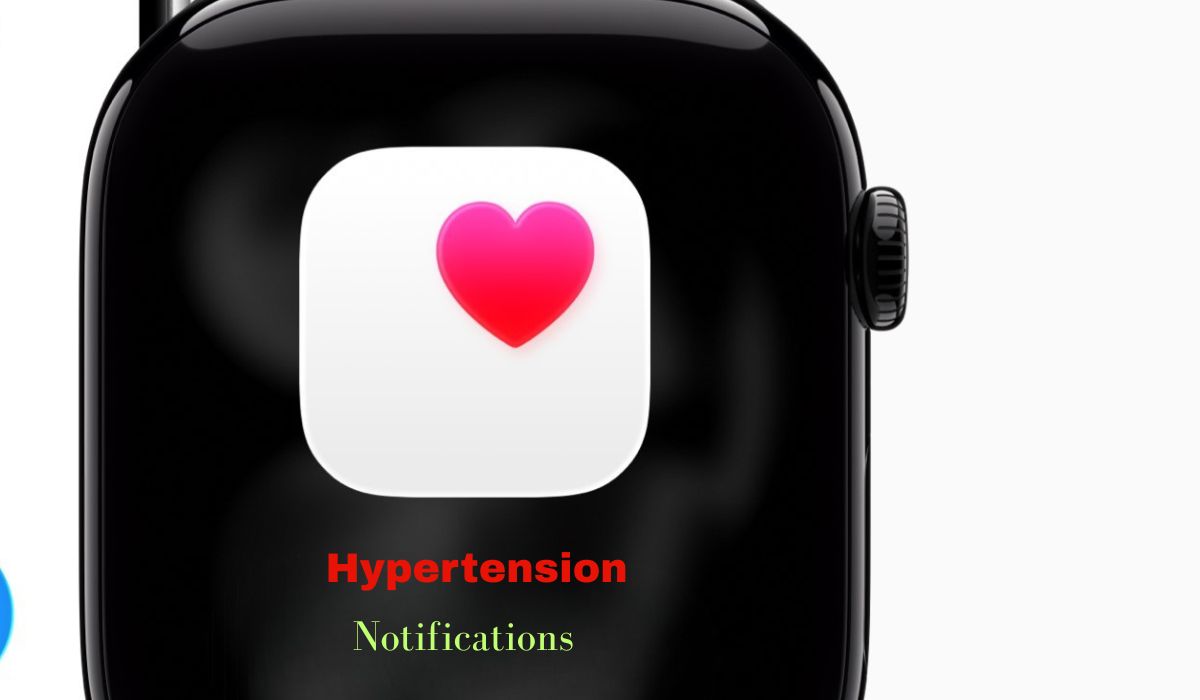
Explore how the new Hypertension Notifications on Apple Watch empower users with life-saving insights and support early detection based on modern cardiovascular guidelines.
Hypertension Notifications on Apple Watch: India’s Next Big Step in Preventive Heart Health
Apple has officially activated Hypertension Notifications on Apple Watch in India, marking one of the most significant advancements in wearable health technology. This powerful feature leverages advanced sensor data and machine learning to help users identify potential signs of elevated blood pressure — long before it becomes a medical emergency.
Hypertension, often called the “silent killer,” affects more than 1.3 billion people worldwide and remains a leading cause of heart attacks, strokes, heart failure and chronic kidney disease. Most individuals do not realize they have high blood pressure because symptoms are rare, and single measurements during clinic visits often miss sustained hypertension.
With the launch of Hypertension Notifications on Apple Watch, Apple aims to empower users with timely health insights using technology they already wear every day.
How Hypertension Notifications on Apple Watch Work.
Unlike traditional blood pressure cuffs, Apple Watch does not measure blood pressure directly. Instead, it uses its advanced optical heart sensor to analyze how blood vessels respond with each heartbeat. Over a rolling 30-day period, the algorithm reviews patterns in vascular response and identifies signals associated with chronic high blood pressure.
When these patterns consistently resemble hypertension indicators, the user receives a Hypertension Notification, suggesting that elevated blood pressure may be present.
This passive, background monitoring allows the feature to operate without any manual input, making it one of the most accessible early-warning systems for hypertension.
The Science Behind Hypertension Notifications on Apple Watch.
Apple emphasizes scientific rigor in every health feature they develop, and hypertension detection is no exception.
Research & Validation Behind the Feature
To develop this capability, Apple used:
- Machine learning models trained on sensor data
- Multiple clinical studies involving more than 100,000 participants
- A controlled validation study with over 2,000 participants
These studies analyzed blood flow characteristics and their relationship to persistently elevated blood pressure. While not a diagnostic tool, the model demonstrated high accuracy in identifying patterns associated with chronic hypertension.
Apple estimates that with widespread adoption, over 1 million people with undiagnosed hypertension could receive early warnings within the first year alone.
Why Early Detection Matters — According to Heart Experts.
Professor Dorairaj Prabhakaran, Executive Director at the Centre for Chronic Disease Control and President-Elect of the World Heart Federation, emphasizes that hypertension is one of the most under-diagnosed conditions worldwide. Integrating passive hypertension detection into a wearable device offers unprecedented accessibility.
He notes that many individuals may go for years without a clinical check-up, and high blood pressure often requires multiple measurements to be accurately identified. A wearable device that constantly collects relevant data bridges this crucial gap.
Hypertension Notifications on Apple Watch can encourage users to seek timely evaluation, discuss results with clinicians and begin preventive care before complications arise.
What To Do After Receiving a Hypertension Notification.
A notification from the Apple Watch is not a diagnosis — it is an early alert.
Apple recommends the following steps:
1. Measure Blood Pressure for Seven Days
Use a clinical-grade third-party blood pressure cuff and record measurements twice daily for one week.
2. Share Results with a Healthcare Provider
Bring the log to your next consultation or share it digitally for interpretation.
3. Follow Guideline-Based Evaluation
This approach aligns with the latest American Heart Association (AHA) and American College of Cardiology (ACC) guidelines for diagnosing hypertension.
Latest American Heart Association Guidelines for Hypertension.
The latest American Heart Association (AHA) guidelines are the 2025 AHA/ACC High Blood Pressure Guideline, which were released in August 2025 in collaboration with the American College of Cardiology (ACC) and other health organizations.
Key aspects of the guidelines include a consistent blood pressure (BP) target for most adults, a strong emphasis on lifestyle modifications, and early medication for higher-risk individuals.
Top 10 Key Insights from the Latest AHA/ACC High Blood Pressure Guidelines.
High blood pressure continues to be one of the world’s most widespread health challenges. With new research emerging every year, the American Heart Association (AHA) and American College of Cardiology (ACC) periodically update their guidelines to help people better understand the risks, prevention strategies and management practices for hypertension.
The latest guidelines highlight how high blood pressure affects not only the heart but also the brain, pregnancy health and long-term wellness. Below is a clear and comprehensive breakdown of the top 10 things you need to know, written in an easy-to-understand format while retaining the scientific accuracy of the original guidance.
1. High Blood Pressure and Brain Health Are More Connected Than Ever.
New evidence shows a stronger link between chronically elevated blood pressure and cognitive decline, including conditions such as dementia. Sustained hypertension damages blood vessels over time, reducing blood flow to brain tissues.
The new guidelines emphasize that managing high blood pressure early can help preserve brain health in the long run and reduce the risk of memory-related diseases.
2. Hypertension Is Still the Leading Risk Factor for Stroke and Heart Disease.
The AHA/ACC reiterate that high blood pressure remains the primary driver of:
- Stroke
- Coronary artery disease
- Heart failure
- Atrial fibrillation (irregular heartbeat)
In simpler terms: keeping blood pressure under control is one of the most effective ways to protect your heart and overall longevity.
3. Blood Pressure Monitoring Is Crucial Before, During and After Pregnancy.
Hypertension can develop at any point during pregnancy, including postpartum. One dangerous condition associated with pregnancy-related hypertension is preeclampsia, which can be life-threatening for both the mother and baby.
The guidelines encourage pregnant individuals to:
- Check blood pressure regularly
- Discuss symptoms and concerns with their healthcare provider
- Understand treatment options early
Monitoring is especially important before pregnancy to assess risk.
4. Updated Blood Pressure Categories for Pregnancy.
The guideline introduces a dedicated set of categories for pregnant individuals:
| Category | Systolic (mmHg) | Diastolic (mmHg) |
|---|---|---|
| Non-Hypertensive | Less than 140 | Less than 90 |
| Hypertension in Pregnancy | 140 or higher | 90 or higher |
| Severe Hypertension | 160 or higher | 110 or higher |
If symptoms like severe headache, swelling, shortness of breath, chest pain or vision changes appear, emergency care is required immediately.
5. Understanding Your Numbers: What Is Normal Blood Pressure?
According to the AHA/ACC:
- Normal Blood Pressure: Less than 120/80 mmHg
Anything above this range should prompt a conversation with a healthcare provider. Maintaining normal values is essential for long-term heart and brain health.
6. Knowing When It’s an Emergency.
Blood pressure above 180 systolic or 120 diastolic is considered extremely dangerous.
If this spike is accompanied by symptoms like:
- Chest pain
- Vision changes
- Weakness
- Difficulty speaking
- Severe back pain
it may indicate a hypertensive emergency, and the guidelines instruct patients to call emergency services immediately.
7. Standard Blood Pressure Categories for All Adults.
The updated chart for all adults is as follows:
| Category | Systolic (mmHg) | Diastolic (mmHg) |
|---|---|---|
| Normal | Less than 120 | Less than 80 |
| Elevated | 120–129 | Less than 80 |
| Stage 1 Hypertension | 130–139 | 80–89 |
| Stage 2 Hypertension | 140 or higher | 90 or higher |
| Severe Hypertension | Higher than 180 | Higher than 120 |
| Hypertensive Emergency | Higher than 180 | Higher than 120 |
This chart helps both healthcare providers and individuals interpret readings properly.
8. Anyone Can Develop High Blood Pressure — Including Children.
One of the most important reminders in the guidelines is that hypertension does not discriminate by age.
People of all stages—children, teens, young adults and seniors—should check their blood pressure regularly. Early tracking enables early detection.
9. How to Measure Blood Pressure Correctly at Home.
Accurate readings depend heavily on proper technique. AHA recommends:
- Sit on a chair with back support
- Keep both feet flat on the floor
- Rest your arm on a table at heart level
- Avoid talking, moving or crossing your legs
- Relax for at least 5 minutes before measuring
These steps dramatically improve the accuracy of home blood pressure monitoring devices.
10. Lifestyle Changes + Medication Are Often the Best Approach.
While many can improve blood pressure naturally through lifestyle habits, others will require medication. The updated guidelines highlight a combination of:
Lifestyle Recommendations
- Reduce sodium: Aim for under 2,300 mg per day; ideally closer to 1,500 mg
- Follow the DASH diet: Rich in vegetables, fruits, whole grains, legumes and low-fat dairy
- Eat more fruits and vegetables
- Limit or avoid alcohol
- Increase physical activity
- Lose weight if overweight: Even a 5% weight reduction can significantly lower blood pressure
For example, someone weighing 180 pounds could aim to lose around 9 pounds to see measurable improvement.
Medication
Different classes of antihypertensive medications may be recommended depending on the severity and health profile. These can include ACE inhibitors, ARBs, beta-blockers, calcium channel blockers and diuretics.
A healthcare professional will determine the combination that fits each patient’s needs.
Bonus: AHA Recommends Focusing on Life’s Essential 8.
The guidelines encourage following Life’s Essential 8, which includes:
- Eating healthy
- Staying active
- Sleeping well
- Avoiding tobacco
- Maintaining a healthy weight
- Managing cholesterol
- Controlling blood pressure
- Regulating blood sugar
These habits support heart, brain and metabolic health.
Final Thoughts.
The new AHA/ACC guidelines highlight just how important it is to understand blood pressure numbers and act quickly when abnormalities appear. With hypertension linked to heart disease, stroke and even cognitive decline, monitoring your health is more crucial than ever.
Regular checks, healthy habits and proper medication—guided by updated medical expertise—can significantly improve long-term outcomes and reduce the risk of life-threatening events.
The BP categories remain the same as the 2017 guidelines:
If you have a severe reading without symptoms, contact a healthcare professional immediately. If you experience symptoms like chest pain, shortness of breath, or vision changes, call emergency services.
Key Guideline Recommendations
The overall treatment goal for all adults is a BP of <130/80 mm Hg.
Key recommendations include:
- Strong emphasis on heart-healthy lifestyle changes for all adults, such as diet, exercise, weight management, stress management, and limiting alcohol intake.
- Medication is recommended for Stage 1 hypertension (130-139/80-89 mm Hg) along with lifestyle changes for individuals with existing cardiovascular disease, diabetes, chronic kidney disease (CKD), or a high 10-year CVD risk as determined by the new PREVENT risk calculator. For lower-risk individuals, lifestyle changes are recommended first.
- Prompt initiation of both lifestyle changes and medication, often a combination pill, for Stage 2 hypertension (≥140/90 mm Hg).
- Recognition of the importance of lowering blood pressure to reduce the risk of cognitive decline and dementia.
- The introduction of the new PREVENT risk calculator for improved 10-year CVD risk assessment, incorporating factors like kidney function and social determinants of health.
- Encouragement of home blood pressure monitoring with a validated device, while noting that cuffless devices are not currently recommended for clinical use.
- Updated recommendations for managing hypertension during pregnancy and for patients with CKD, including the use of specific medications for those with albuminuria.
The new Apple Watch feature helps identify users who may fall into Stage 1 or Stage 2 hypertension.
Diagnostic Protocol.
To confirm hypertension, the AHA recommends:
- Multiple readings across at least 2 different days
- Out-of-office monitoring such as
- Home Blood Pressure Monitoring (HBPM)
- 24-hour Ambulatory Blood Pressure Monitoring (ABPM)
Apple’s recommendation of a 7-day measurement aligns with this standard.
Lifestyle Changes for Management:
If hypertension is diagnosed, AHA advises:
- Low-salt diet (5g/day or less)
- Regular physical activity, at least 150 minutes/week
- Weight management
- Limiting alcohol
- Eating fruits and vegetables
- Quitting smoking
Apple Watch already supports health habits with features like Activity rings, Mindfulness apps and nutrition tracking integrations.
Early detection via Hypertension Notifications on Apple Watch may guide users to timely treatment:
Who Can Use Hypertension Notifications on Apple Watch:
The feature is available on:
- Apple Watch Series 9 and later
- Apple Watch Ultra 2 and later
Not Intended For:
- Users under age 22
- Individuals already diagnosed with hypertension
- Users who are pregnant
These restrictions ensure accuracy and safety of the algorithm.
Why Hypertension Notifications on Apple Watch Are a Game-Changer:
1. Passive, Continuous Insights
No manual measurement or tracking is required — the system works behind the scenes.
2. Democratizing Heart Health
Billions lack access to regular medical screenings. Wearable-driven alerts can change that.
3. Machine Learning + Clinical Science
The combination delivers an intelligent model capable of identifying meaningful patterns.
4. Massive Potential Impact
Over 1 million cases of undiagnosed hypertension may be identified in the first year alone.
5. Encourages Preventive Healthcare
Many users take action only when they receive an alert — the watch serves as a nudge towards clinical evaluation.
How Hypertension Notifications on Apple Watch Fit Into a User’s Health Journey:
Apple Watch already includes a range of health tools:
- ECG app
- Irregular rhythm notifications
- Blood oxygen monitoring
- Cardio fitness estimates
- Sleep tracking
- Cycle tracking
- Temperature sensing
Adding Hypertension Notifications on Apple Watch creates a more complete cardiovascular insights ecosystem.
With its focus on privacy, local processing and secure data handling, Apple ensures user health information remains confidential and fully under their control.
Conclusion: Apple Watch Takes Preventive Care to the Next Level:
The introduction of Hypertension Notifications on Apple Watch in India marks an enormous leap forward in digital health and preventive care. By using advanced sensors, powerful machine learning and clinically validated frameworks, Apple is giving millions an early warning for one of the deadliest yet most underdiagnosed health conditions.
Combined with the latest American Heart Association guidelines, users now have a clear pathway from early detection to proper diagnosis and long-term management.
Apple Watch is no longer just a fitness tracker — it is becoming one of the most accessible early-detection tools for chronic conditions worldwide.
- Source : www.heart.org